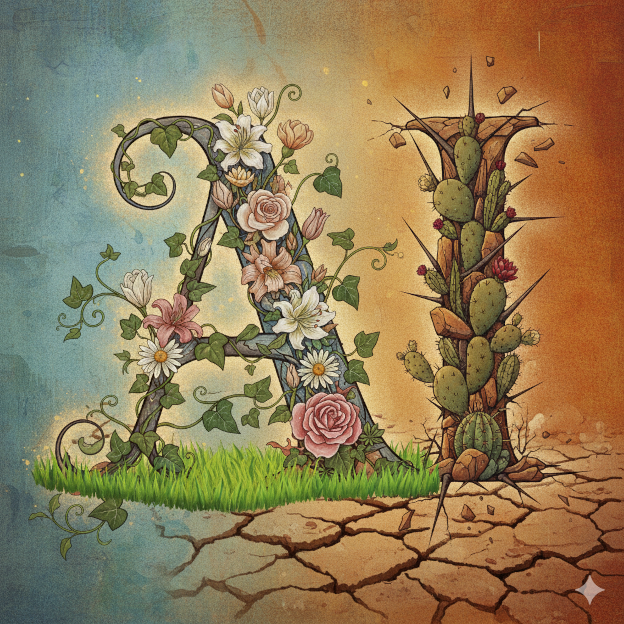
I love AI, but does AI love me back?
Keywords:
Artificial Intelligence, AI, AI detection toolDownloads
References
Gardner H. Multiple Intelligences: New Horizons. Basic Books; 2008. 314 p.
Dergaa I, Chamari K, Zmijewski P, Ben Saad H. From human writing to artificial intelligence generated text: examining the prospects and potential threats of ChatGPT in academic writing. Biol Sport. 2023;40[2]:615–22.
Lee PY, Salim H, Abdullah A, Teo CH. Use of ChatGPT in medical research and scientific writing. Malays Fam Physician. 2023;18:58.
Submissions. Research and Humanities in Medical Education [Internet]. [cited 2025 Dec 27]. Available from: https://www.rhime.in/ojs/index.php/rhime/about/submissions#Bookmark%206
ICMJE. Annotated recommendations, Jan 2025 [Internet]. [cited 2025 Dec 27]. Available from: https://www.icmje.org/news-and-editorials/icmje-recommendations_annotated_jan25.pdf
Editorial. Tools such as ChatGPT threaten transparent science; here are our ground rules for their use. Nature. 2023;613[7945]:612.
Hosseini M, Resnik DB, Holmes K. The ethics of disclosing the use of artificial intelligence tools in writing scholarly manuscripts. Res Ethics. 2023;19[4]:449–65.
Cheng A, Calhoun A, Reedy G. Artificial intelligence-assisted academic writing: recommendations for ethical use. Adv Simul. 2025;10:22.
Wang J, Jairath N, Shue E, Perrotta PL, Hu G. ChatGPT-polished writing boosts the risk of human-authored manuscripts being miscredited as AI-generated. JAAD Int. 2025;22:23–5.
Pan ET, Florian-Rodriguez M. Human vs machine: identifying ChatGPT-generated abstracts in Gynecology and Urogynecology. Am J Obstet Gynecol. 2024;231[2]:276.e1-276.e10.
Májovský M, Černý M, Kasal M, Komarc M, Netuka D. Artificial Intelligence can generate fraudulent but authentic-looking scientific medical articles: Pandora’s box has been opened. J Med Internet Res. 2023;25:e46924.
Downloads
Published
How to Cite
Issue
Section
License
Copyright (c) 2026 Upreet Dhaliwal

This work is licensed under a Creative Commons Attribution-NonCommercial 4.0 International License.
Articles published in the journal RHiME are covered by the Creative Commons License [Attribution-NonCommercial 4.0 International (CC BY-NC 4.0)]
Authors retain copyright and grant the journal right of first publication with the work simultaneously licensed under a Creative Commons Attribution License that allows others to share the work with an acknowledgement of the work's authorship and initial publication in this journal.
Authors are able to enter into separate, additional contractual arrangements for the non-exclusive distribution of the journal's published version of the work (e.g., post it to an institutional repository or publish it in a book), with an acknowledgment of its initial publication in this journal.
Authors are permitted and encouraged to post their work online (e.g., in institutional repositories or on their website) after publication in the Journal, as it can lead to productive exchanges, as well as greater citation of published work.