
Editorial Team
Patron
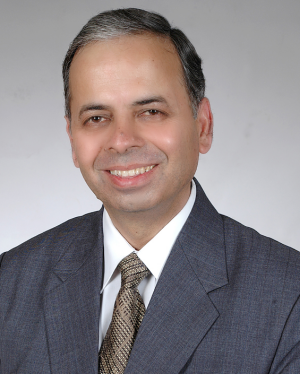
OP Kalra, MD, DM
Prof. OP Kalra is an eminent nephrologist. During his years as Principal, University College of Medical Sciences, he was an active facilitator of the various activities coordinated by the Medical Humanities Group. He is currently the Vice Chancellor of the Pandit Bhagwat Dayal Sharma University of Health Sciences in Rohtak, Haryana.
Editor-in-Chief
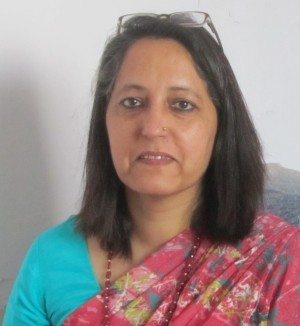
Upreet Dhaliwal, MS
Dr Upreet Dhaliwal taught and practiced Ophthalmology at the University College of Medical Sciences, Delhi (UCMS) from 1994 - 2017.
The years she spent at the Christian Medical College, Ludhiana, as an undergraduate student, motivated her to become a teacher and researcher. She was an active member of the Medical Education Unit (MEU), where her main contribution was in developing medical education research at the Institution and evolving and maintaining the Student Mentoring Program.
She has a particular interest in the Medical Humanities, especially in the domains of narratives, poetry and Theatre of the Oppressed.
Deputy Editor-in-Chief
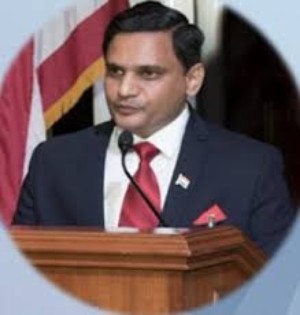
Satendra Singh, MD
Dr Singh is Professor of Physiology at University College of Medical Sciences, Delhi, is Executive Member of the Delhi Medical Council as well as of the Academy of Health Professions Educators, and is Adjunct faculty at Department of Medical Education, KMC, Manipal Academy of Higher Education. Ten years ago, a series of serendipitous events propelled him and his mentors Navjeevan Singh and Upreet Dhaliwal, to explore the Medical humanities. They founded the Medical Humanities Group at UCMS in 2009 which was the first such initiative in a medical institution in India.
He is a noted disability rights activist and is the first person from India to be awarded the Henry Viscardi award which honors exemplary leaders in the disability community who, through the example of their professional accomplishments and advocacy efforts, are reshaping societal perceptions and making significant changes in the quality of life of people with disabilities.
Associate Editors
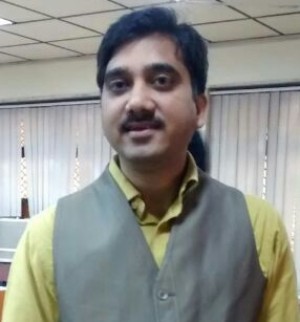
Amir Maroof Khan, MD
Dr Khan is currently working as Professor and Medical Officer, Urban Health Centre, Department of Community Medicine, at the University College of Medical Sciences, University of Delhi. His primary interest is Competency based medical education.
A fellow of the Foundation for the Advancement of International Medical Education and Research from CMC, Ludhiana, he is also Advisor, Statistics, for Indian Paediatrics, national trainer, Research Methodology, for the Indian Association of Paediatrics and the National Board of Examinations, Hony. Secretary of a national not-for-profit organization, Consortium Against Rabies. He is an Associate Editor of a Textbook of Community Medicine and has authored 15+ chapters in various textbooks, is faculty resource for various workshops at the national level, and has published more than 25 research papers in national and international journals.
He is actively involved with the students in the college as a Faculty Associate of various students groups, such as Manchayan – the dramatics society, Illuminous – the Medical Quiz society, and Organum Donum – the organ donation promotion society of UCMS and GTB Hospital. He loves to venture out in nature whenever he finds some time and do some bird photography.
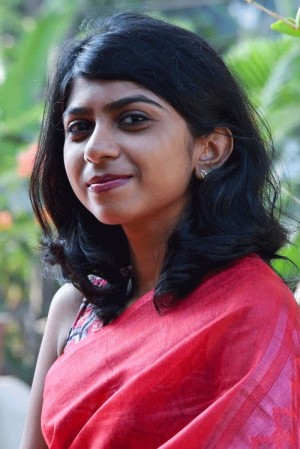
Ann Helen Prasad, MBBS
Dr Ann is a writer and editor who completed her MBBS from Christian Medical College, Vellore, and learnt writing and editing with the Creative Writing Programme, Brighton.
She is an empathic person who was quite disturbed by her experiences as an intern and a junior doctor. On the one hand, there was immense suffering that the patients and their carers went through; on the other was the overwhelm and burnout that the healthcare professionals experienced. This led her to ask existential questions around suffering and healing from the points of view of both the patient and the health provider. Some of her reflections on the same have been published at Highly Sensitive Refuge, Introvert Dear, and Pippa Rann Books.
She believes that bringing the arts and the humanities into medical practice can be instrumental in helping healthcare professionals stay true to their empathic personalities, maintain their physical and mental wellbeing, and learn to interact with patients and one another as humans.
Artificial Intelligence Advisor
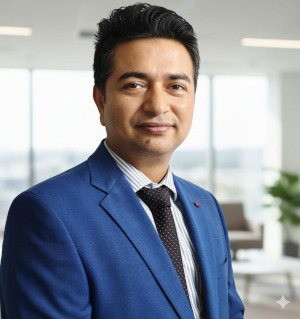
Harshal H Sabane, MD, FAIMER Fellow, 3T-IBHSc (UNESCO)
Dr. Harshal Sabane is a medical educator, researcher, and global health professional with over 15 years of academic experience across India, Oman, Seychelles, and Mauritius. His work spans community medicine, medical education research, bioethics, AI-enabled pedagogy, and capacity building for health-profession educators.
A FAIMER Fellow (2018) and UNESCO-certified bioethics faculty, Dr. Sabane has led major curricular innovations, including the integration of bioethics and AI-driven learning modules into undergraduate programs. As Professor and Head, Department of Community Medicine, SSR Medical College, Mauritius, he oversees teaching, formative and summative assessments, curriculum delivery, and clinical training coordination with national health institutions.
He brings extensive editorial and peer-review experience to the role. He has served on the Editorial Board of the Indian Journal of Health Professions Education & Research, is Executive Editor of the MIMER Medical Journal, and reviews for numerous international journals including the Bulletin of the World Health Organization, Cureus, Indian Journal of Community Medicine, and Oman Medical Journal. He has evaluated grant proposals, supervised research across disciplines, and contributed chapters to authoritative textbooks on medical education, ethics, AI in learning, qualitative research, and scientific writing.
Dr. Sabane has authored several peer-reviewed publications, delivered invited talks at national and international forums, and served as scientific session chair, judge, and resource faculty for faculty-development programs. His scholarly interests include assessment science, qualitative research, digital health literacy, and innovations in medical-education pedagogy.
Deeply committed to scientific rigor, responsible authorship, and ethical scholarship, Dr. Sabane brings a balanced blend of editorial judgment, research methodology expertise, and educational scholarship aligning strongly with RHiME’s mission to advance reflective, humanities-informed, and evidence-based health-professions education.
Poetry Section Advisor
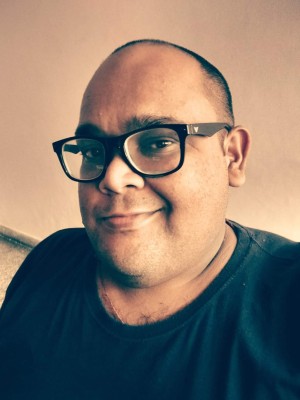
Abhishek Anicca
Abhishek Anicca is a writer, poet and researcher. He identifies as a person with locomotor disability and chronic illness which shapes his creative endeavours. He has written on disability and illness for the Times of India, The Quint, DNA, Mad in Asia, among other publications. His poems have been published in Nether Quarterly (English), Indian Cultural Forum (English, Hindi), The Alipore Post (English), RHiME (English), Jankipul (Hindi), Samalochan (Hindi), and Apni Maati (Hindi). His first Hindi poetry collection, Antrang, was published in 2019. He uses spoken word poetry as a means of disability activism and has given more than fifty performances focusing on disability.
Editorial Board
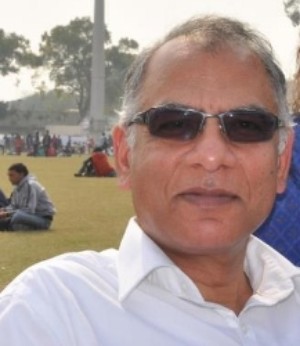
Navjeevan Singh, MD
Dr Navjeevan Singh, former Director-Professor of Pathology, was the coordinator of the Medical Education Unit at the University College of Medical Sciences. He founded the Medical Humanities Group at UCMS and deeply appreciates the overwhelming support of the world community of Medical humanists for the journal RHiME. He believes that integration of humanities into medical education will pave the way to better intellectual and psychological development of students and teachers.
Ashish Goel, MD
Ashish Goel is a student of Medicine and also teaches the subject at the University College of Medical Sciences in Delhi. He has a unique advantage of having completed his formative years of training at a rural medical college and thereafter consolidating his experience at some of the best medical centers of the country.
He has been involved with international organizations and associations including those working in Emergency and Geriatric Medicine. He is the country chair for the International Network for Prevention of Elder Abuse.
He has been associated with several medical and humanities journals including a unique experiment called 'Cell 2 Soul' which connected doctors and patients on the same platform. To his credit, he has also compiled a book entitled 'Doctors do Cry' which is a collection of narrations of life changing experiences by doctors and patients. The second edition is due soon.
Rajat Thawani, MBBS
Dr. Rajat Thawani is a thoracic and early-phase medical oncologist at the OHSU Knight Cancer Institute, Portland, whose work centers on understanding each patient’s story as deeply as their tumor biology. His clinical approach blends cutting-edge precision oncology with an equally rigorous commitment to empathy, vulnerability, and shared decision-making. He writes about the human experience of cancer care, the moral complexity of hope, and of the ways in which narratives shape healing.
Arjun Ravishankar, MBBS
Dr Arjun Ravishankar completed his MBBS at the University College of Medical Sciences, Delhi University. His defining moment in the world of Medical Education and Humanities was a Narrative Medicine workshop that changed the way he subsequently thought about and approached patient interactions.
After spending three years in the Laboratory of Epigenetics and Immunity at Weill Cornell in New York City, Arjun completed his Internal Medicine residency at Yale New Haven Hospital, where he is currently a Hematology/Oncology Fellow.

Rohan Shad, MBBS
Dr Rohan Shad graduated from the University College of Medical Sciences, Delhi. His interests are in cardiovascular research and the development of novel cardiovascular implants. He is passionate about student mentorship and the prevention of physician burnout.
Pranab Chatterjee, MD
Dr Pranab Chatterjee is a public health physician-scientist who works on One Health approaches to manage emerging and reemerging infectious diseases and antimicrobial resistance. He is extremely interested in medical education and medical humanities, especially in the role the arts may have in nurturing better, more empathetic physicians.
Akankshya Kashyap, MBBS, MD
Dr Akankshya Kashyap is a Pathologist who completed her MBBS from Jorhat Medical College, Assam. She is currently a consultant working in the Narayana Hrudayalaya Limited Blood Centre, at Amingaon, Guwahati. She has learned, through her own self-healing journey, the importance of art, music, and literature in healthcare for others - as well as in the self-care of its providers. Her utopian dream includes holistic and affordable health care for all.
Trinetra Haldar Gummaraju, MBBS
Dr Trinetra is a medical graduate, artist and vocal transgender rights supporter. She seeks to merge her flair for art, activism and choice of profession to create visibility and normalisation around the trans/gender non-conforming community. Her journey in transition as a transwoman influences themes she expresses on canvas and in prose - the two often accompanying one another in attempts at creating change within and outside the medical profession.

Kasturi Mudoi, MBBS, MD
Dr Mudoi has specialised in Anaesthesia, having done MBBS from Jorhat Medical College and Hospital, Assam. She is a dreamer, a believer, and a happy introvert. She loves words and tries playing with them by scribbling down haphazard thoughts once in a while. She was the editor of her college magazine in 2014. She hopes that her tiny existence will help make this world a better place.
Prateek Harne, MBBS
Dr Harne is currently an Interventional Gastroenterologist at DHR Health Hospital and is an Assistant Professor at the University of Houston. He recently completed his fourth-year Advanced Endoscopy fellowship at Allegheny Health Network in Pittsburgh. Prateek is passionate about mentorship and medical education and has participated extensively in various mentorship initiatives from his medical school to his fellowship. He served as the Editor-in-Chief for the ACG Case Reports Journal in 2024-25. He has published various research initiatives throughout his training. He is involved in cutting-edge gastroenterology research, with a specific interest in pancreaticobiliary pathology, which has received media coverage. He has been recognized with Presidential abstracts and Outstanding Presenter Awards at various GI meetings, including ACG and DDW meetings. He continues to serve on national and regional committees with the American College of Gastroenterology (ACG) in the Training subcommittee and the Texas Society of Gastroenterology and Endoscopy (TSGE) in the Communications subcommittee.
Layout Editors
Abhilasha Kapoor, MD, DNB
Dr Abhilasha Kapoor completed her MD in Community Medicine from UCMS & GTB Hospital, Delhi, and is currently pursuing her dream speciality—General Medicine—at GMSH-16, Chandigarh. With a strong sense of integrity and commitment, she values both clinical work and academic growth. Her interests lie in research, particularly in the field of Endocrinology, alongside her love for hands-on patient care. She aims to build a balanced career that blends compassionate clinical practice with meaningful contributions to medical research and public health.
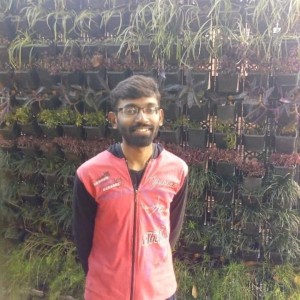
Santhosh Kumar Sundaram, MBBS
Dr Sundaram is a Public Health Specialist, currently serving as a Medical Officer in the Central Health Services, Ministry of Health and Family Welfare, Government of India. Guided by the belief that prevention is the cornerstone of health, he is committed to advancing community well-being through research, service, and policy. His academic interests lie in environmental health, reflecting his conviction that human health is inseparably linked to the health of nature. Outside his professional role, he pursues nature photography, gardening, and sports - activities that bring balance, creativity, and renewal to his journey as a public health professional.
National Advisory Board
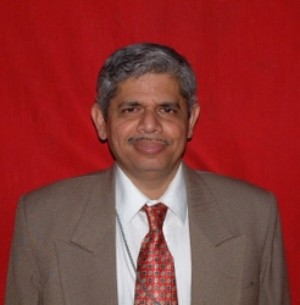
Balachandra V Adkoli, MSc, MEd (Education), PhD, MMEd (Dundee)
Dr Adkoli served as Educationist / Consultant at AIIMS, New Delhi from 1991 to 2013. Presently he is Professor of Medical Education at the Mahatma Gandhi Medical College and Research Institute, Puducherry.
His area of interest is faculty development and training in health professions education. He has served as a faculty for the FAIMER Regional Institute, CMC Ludhiana; is an Accredited Educator for the Advanced Trauma Life Support (ATLS) instructor's course of the American College of Surgeons run by the JPN Advanced Trauma Centre, AIIMS; and is Member, Executive Committee, Indian Academy of Health Professions Education.
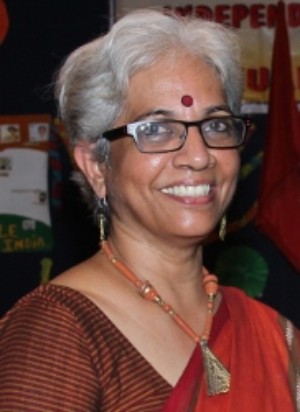
Radha Ramaswamy, PhD
Dr Radha Ramaswamy has a PhD in Theater Research. Formerly, Head, Department of English, Mount Carmel College, Bangalore, she went on to found the Centre for Community Dialogue and Change in 2011, an organization dedicated to promoting and training people in a form of non-formal education known as Theatre of the Oppressed.
CCDC has conducted theatre workshops with teachers, students, medical professionals, and other communities, and has directed public interactive performances with senior citizens on issues such as elder abuse, dementia, and retirement. Radha has a lifelong interest in education and social justice, and bringing diverse communities together.
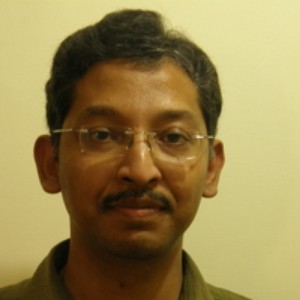
Rakesh Biswas, MD
Dr Rakesh Biswas is a physician teacher in Kamineni Institute of Medical sciences Narketpally, Hyderabad. His interest in medical humanities is reflected in his books on narrative medicine (accessible here: http://www.igi-global., http://searchwrks.stanford.), his essays (accessible here: http://www.ncbi.nlm.nih., http://student.bmj.com/) and lectures (accessible here: http://www.pitt.edu/~, http://www.pitt.edu/~super1/).
His work is centered around clinical problem solving applied to ‘Patient Centered health care’ and ‘Health education.’ He has published his experiences in global academic journals and books, was a deputy editor for BMJ Case reports, UK, Founding chief editor for the International Journal of User Driven Healthcare, US and a regional editor for the Journal of Evaluation in Clinical Practice, UK. He is an academic co-investigator in funded programs of research on “User Driven Healthcare” in India, Malaysia and Ireland and is currently engaged in creating a learning ecosystem to sustain the growing interest in patient centred healthcare that thrives on a judicious mixture of science and humanities to achieve optimal health care outcomes.
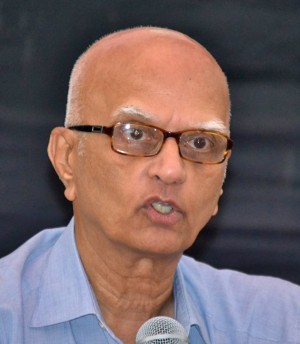
Sunil K Pandya, MBBS, MS, FAMS
The late Dr Pandya was Professor of Neurosurgery at Seth GS Medical College and King Edward VII Memorial Hospital, Mumbai until his superannuation in 1998. His training in neurosurgery was under the guidance and supervision of Dr. Gajendra Sinh (at JJ Hospital) and Dr. Homi Dastur (at KEM Hospital). He later pursued further specialty training in the Institute of Neurology, London, with Professor Valentine Logue and in the Institute of Child Health at Great Ormond Street, London, with Drs. Kenneth Till and Norman Grant.
He has written essays - in scientific journals as well as in the popular press - on neurosurgery, on the history of medicine, and on issues pertinent to ethics in medicine. He was the Emeritus Editor of the Indian Journal of Medical Ethics and served on the editorial boards of medical journals such as the National Medical Journal of India and Mens Sana Monographs. Dr. Pandya was a life member of the Neurological Society of India and the Asiatic Society of Bombay.
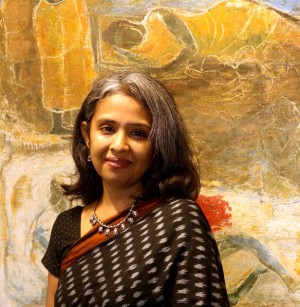
Gayathri Prabhu, PhD
Dr Gayathri Prabhu is Associate Professor at the Manipal Centre for Humanities, Manipal Academy of Higher Education (MAHE) where she teaches Literary Studies. A doctorate in English from the University of Nebraska-Lincoln, USA, she is the author of three novels and a memoir, and is the recipient of the RK Narayan Award (2019). She is the Coordinator of the Student Support Centre, a mental health service for students of MAHE; has served on the Institutional Ethics Committee of the Kasturba Medical College and Kasturba Hospital, Manipal (2014-2018); and holds the Dr TMA Pai Endowment Chair in Indian Literature (2017-2019) at MAHE. She has published in the field of Medical Humanities, as well as taught it to students of Humanities and students of Medicine at Manipal.
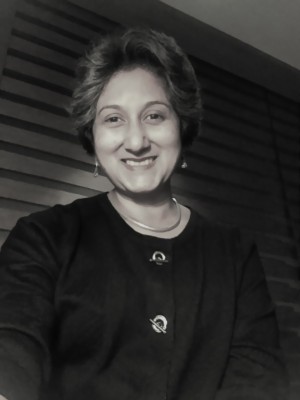
Olinda Timms, MD, PGDMLE (Medical Law and Ethics), PGDB (Bioethics)
Dr Olinda Timms is a medical doctor and Adjunct Faculty at the Division of Health and Humanities at St. Johns Research Institute, Bangalore. A graduate of Christian Medical College, Vellore, she specialized in Anesthesiology, and worked as Consultant at Private and Mission Hospitals in Bangalore since 1987. Her interest in the field of Medical Ethics led to a Post Graduate Diploma in Medical Law and Ethics from the National Law School of India University, Bangalore and a Post Graduate Diploma in Bioethics from the Indian Council of Medical Research. She is also Fellow in Research Ethics from WIRB, Seattle. Since then she has been teaching and writing on Medical Ethics and has numerous publications to her credit in journals, local newspapers and magazines. Dr. Timms is a Working Editor of the Indian Journal of Medical Ethics and serves on the Institution Ethics Committee of Research institutions in Bangalore. She is the author of ‘Biomedical Ethics’ published by Elsevier India in 2016 - the book is used as a resource for teaching medical ethics in Colleges across India. In 2017, she established a Unit of the International Network of the UNESCO Chair in Bioethics at St Johns Research Institute, Bangalore.
International Advisory Board
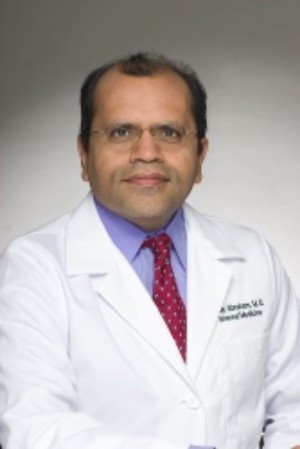
Vijay Rajput, MD
Dr. Vijay Rajput is a Chair and Professor of Medicine at Ross University School of Medicine and is the Associate Dean for Academic and Student Affairs. Prior to joining RUSM, he served as the Head for Division of Medical Education in the Department of Medicine for Cooper Medical School of Rowan University, New Jersey from 2010-2015 and was chair of the ethics committee for more than a decade. He is a member of the American College for Physicians and has served on several of their committees. He also served as a senior note rater for USMLE Step 2 Clinical Skills examination for the Clinical Skills Evaluation Collaboration [a National Board of Medical Examiners (NBME) and Educational Commission for Foreign Medical Graduates (ECFMG) collaborative].
Dr. Rajput’s main areas of interest are bedside teaching, professionalism, ethics and humanism in medicine, student mentoring, and curriculum development.
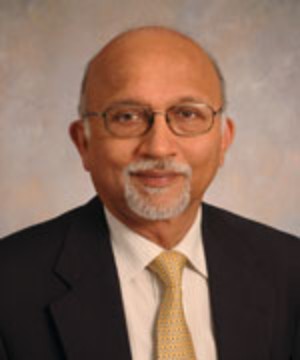
Vinay Kumar, MD, FRCPath
Professor Vinay Kumar is the Alice Hogge & Arthur Baer Distinguished Service Professor of Pathology at the University of Chicago, where he is the Chair of the Department of Pathology. He has devoted his career to medical education and basic research in immunology.
Trained at AIIMS, New Delhi, he came to the US in 1972. Shortly thereafter, his laboratory discovered a new class of lymphocytes, called NK cells, which form the first line of defense against cancer and viral infections. He continues to work on these cells. He was recently honored by the American Society For Investigative Pathology with the Golden-headed Cane Award for his leadership, commitment to academic pathology, and pioneering discoveries in science.
He is the senior editor/author of Robbins and Cotran Pathologic Basis of Disease and Robbins Basic Pathology. These two texts with dozens of translations are the most widely used texts of Pathology worldwide.
Dr Kumar has pioneered medical education reforms in the US and has served as consultant to the American Association of Medical Colleges and American Medical Association. He travels to India often and is deeply interested in improving medical education in India and globally.
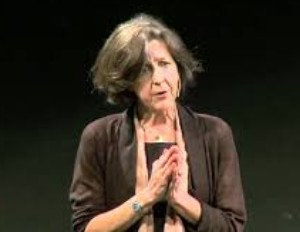
Rita Charon, MD, PhD
Professor Rita Charon is a general internist and literary scholar at Columbia University who originated the field of narrative medicine. She is Professor of Medicine and founder and Executive Director of the Program in Narrative Medicine at Columbia. Her research focuses on the consequences of narrative medicine practice, reflective clinical practice, and health care team effectiveness.
She inaugurated and teaches in the Master of Science in Narrative Medicine graduate program at Columbia and is the author of Narrative Medicine: Honoring the Stories of Illness (Oxford University Press, 2006) and co-author of Principles and Practice of Narrative Medicine (Oxford University Press, 2017). She is co-editor of Stories Matter: The Role of Narrative in Medical Ethics (Routledge, 2002) and Psychoanalysis and Narrative Medicine (SUNY Press, 2008).
Richard M Ratzan, MD
Dr Richard M. Ratzan is a board certified internist and emergency physician who has been studying, teaching and writing in the medical humanities for 40 years. He and his wife live and practice in Hartford, CT.
John Sullivan, MA
Mr Sullivan is the Director, Public Forum & Toxics Assistance at University of Texas Medical Branch, Galveston, Texas. He has worked to develop outreach to petrochemical fence-line communities based on Augusto Boal's Theatre of the Oppressed (TO). He has also developed TO-based / drama outreach for Amnesty International with a focus on prisoners of conscience / death penalty. In 2011-12, Mr. Sullivan developed / implemented Community Health Worker TO Facilitator Training curriculum in conjunction with Baylor College of Medicine / Harris County Health District CPRIT program.
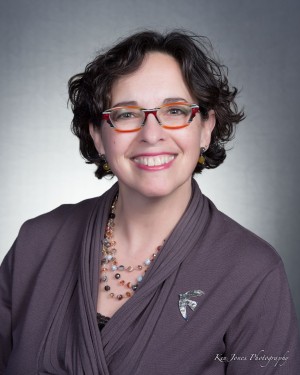
Hedy S. Wald, PhD
Dr. Wald is Clinical Professor of Family Medicine, Warren Alpert Medical School of Brown University and Director of Resident Resilience/Wellbeing-Residency Programs in Child Neurology and Neurodevelopmental Disabilities, Boston Children’s Hospital-Harvard Medical School. She has been recognized with Dean’s Excellence in Teaching Awards, has served as a Fulbright Scholar in medical education for Ben Gurion University of Health Sciences, Israel, and is a Gold Humanism Foundation Harvard-Macy Scholar.
Dr. Wald has been a Visiting Professor at over 50 healthcare professions schools world-wide, presenting on promoting resilience, wellbeing, and vitality in healthcare professions education and practice as well as the role of reflective writing-enhanced reflection in supporting professional identity formation. Frameworks for assessing reflection and for guiding faculty in crafting quality written feedback to students’ reflective narratives which Dr. Wald helped develop are currently in use worldwide within health professions education. Dr. Wald publishes and presents on Holocaust and Medicine curriculum as integral to health professions education and practice as well as on her family cancer caregiver experience, including for the National Cancer Policy Forum of the National Academies of Medicine, Washington, DC. Her work has been cited in the Wall Street Journal, LA Times, Chicago Tribune, NY Times, Medical Independent (Ireland), and Jerusalem Post. A mother of 4 and grandmother of 4, she enjoys cycling and creative writing which she publishes in literary and medical journals. Follow her on Twitter: @hedy_wald “Mind/Body/Spirit of MedEd”
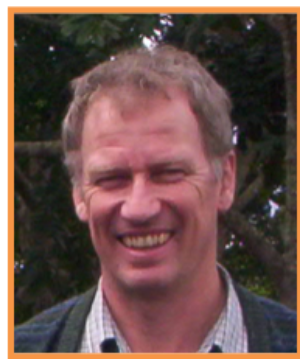
Steve Reid, MBChB, MMed (Family Medicine), PhD (education)
Prof Reid is a family physician with a background in rural medicine, having worked and run a district hospital in KwaZulu-Natal for 10 years together with his wife, Dr Janet Giddy. He is an advocate for rural health in South Africa, and is involved in research in health sciences education and human resources for health. He took up the post of Glaxo-Wellcome Chair of Primary Health Care at the University of Cape Town in 2010 and is developing this role to support medical and health science graduates to become more relevant and appropriately skilled in Africa. His inaugural lecture in 2011 was titled “The Music of Health for All”, and he is involved in developing the role of the arts and social sciences in health care through the Medical Humanities within the African context.